Electronics Recycling in New York: Why Responsible Disposal Matters

Electronic devices have become an essential part of daily life. From smartphones and laptops to televisions and printers, technology helps people stay connected, work efficiently, and enjoy entertainment. However, as new devices replace older models, electronic waste, also known as e-waste, continues to grow. Proper electronics recycling in New York plays an important role in reducing environmental harm, protecting personal information, and conserving valuable resources.
Many electronic products contain materials that can be reused, as well as substances that require careful handling during disposal. Throwing these items into household trash can contribute to pollution and create unnecessary waste. Understanding why responsible electronics recycling matters helps individuals and businesses make informed decisions about managing outdated technology.
What Is Electronics Recycling?
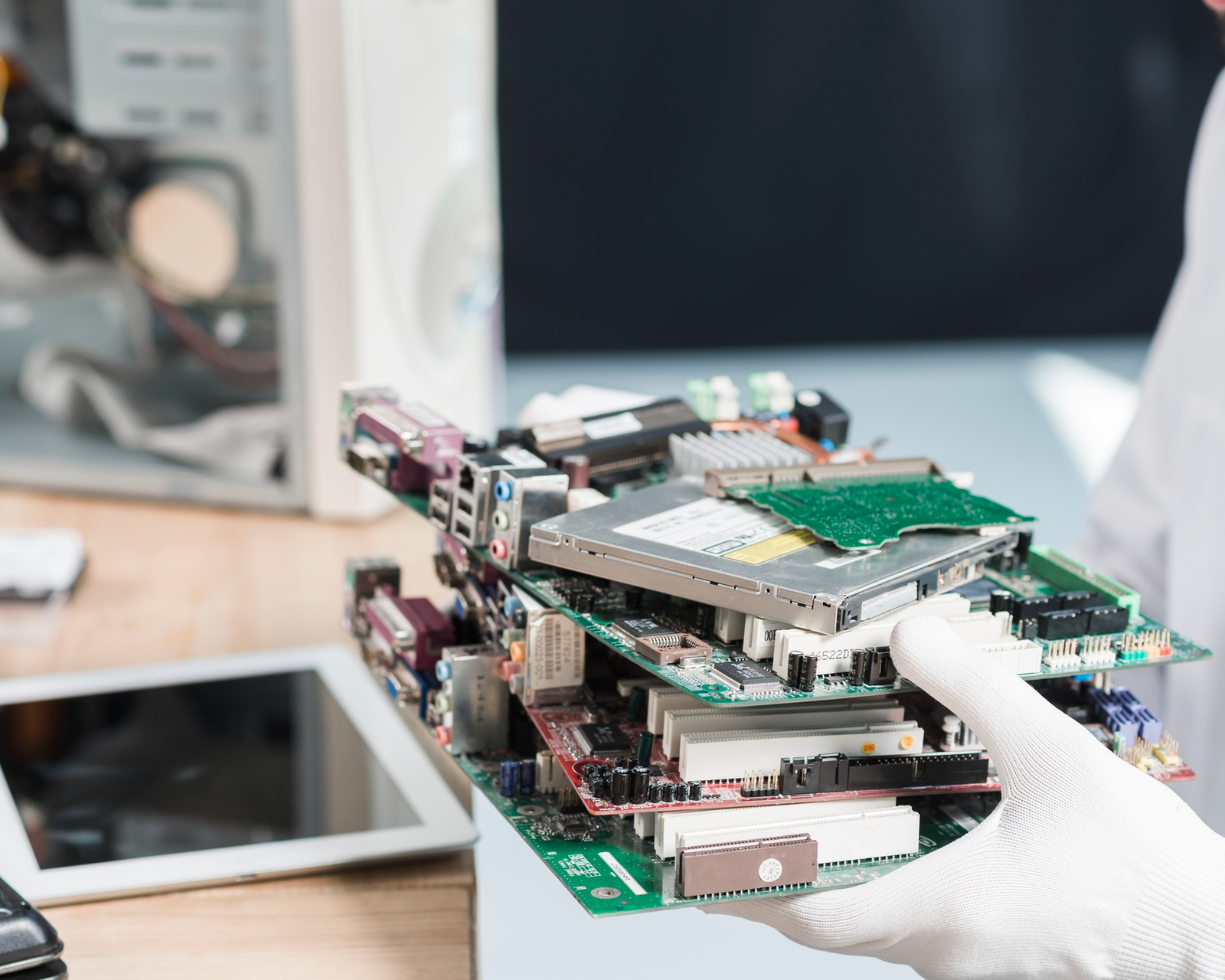
Electronics recycling is the process of collecting, sorting, dismantling, and processing unwanted electronic devices so their materials can be recovered and reused. Instead of ending up in landfills, components such as metals, plastics, and glass can be separated and used in manufacturing new products.
The recycling process is designed to reduce waste while ensuring that hazardous materials are managed safely. It also supports a circular economy by giving valuable resources a second life.
See also: Roofing Services: Signs Your Property Needs Professional Attention
Common Electronics That Can Be Recycled
Many everyday electronic devices can be recycled, including:
- Desktop computers
- Laptop computers
- Computer monitors
- Keyboards and computer mice
- Mobile phones
- Tablets
- Televisions
- Printers and scanners
- Networking equipment
- Gaming consoles
- Audio equipment
- Small household electronics
- External hard drives
- Cables and chargers
Each item contains recyclable materials that can often be recovered through specialized recycling processes.
Why Responsible Disposal Is Important
Responsible disposal is about more than simply getting rid of old electronics. It helps protect the environment, public health, and valuable natural resources.
Reduces Environmental Pollution
Electronic devices contain materials that should not be released into the environment. If electronics are improperly discarded, certain components may eventually contaminate soil and water.
Proper electronics recycling ensures these materials are handled according to environmental standards, reducing the risk of pollution.
Conserves Natural Resources
Many electronic devices contain metals and other valuable materials that require mining and manufacturing to produce. Recycling allows these materials to be recovered instead of extracting new raw resources.
Recovered materials may include:
- Copper
- Aluminum
- Steel
- Gold
- Silver
- Plastic
- Glass
Reusing these materials helps conserve limited natural resources while reducing the environmental impact of manufacturing.
Reduces Landfill Waste
Landfill space is limited, and electronic devices occupy valuable room that could be avoided through recycling.
Because many electronic products contain recyclable components, sending them to recycling facilities instead of landfills helps reduce waste and supports more sustainable waste management practices.
The Growing Challenge of Electronic Waste
Technology evolves rapidly, leading many consumers and businesses to upgrade devices more frequently than ever before.
Shorter Product Lifecycles
Computers, smartphones, and other electronics often become outdated within a few years. Even when devices remain functional, users may replace them to access improved features or better performance.
This constant cycle creates increasing volumes of electronic waste.
Increased Device Ownership
Most households now own multiple electronic devices, including:
- Smartphones
- Tablets
- Laptops
- Smart televisions
- Smart home devices
- Wearable technology
Businesses often manage hundreds or even thousands of electronic assets, making responsible disposal even more important.
Protecting Personal and Business Data
One of the biggest concerns when disposing of electronics is protecting sensitive information.
Personal Information Stored on Devices
Many devices store personal information such as:
- Photos
- Emails
- Financial records
- Passwords
- Saved documents
- Contact lists
Simply deleting files may not permanently remove this information.
Business Data Security
Businesses may store confidential information including:
- Customer records
- Financial information
- Employee files
- Contracts
- Intellectual property
- Internal communications
Before recycling electronic devices, data should be securely removed using appropriate data destruction methods to reduce the risk of unauthorized access.
Environmental Benefits of Electronics Recycling in New York
Proper electronics recycling supports a healthier environment in several ways.
Lower Energy Consumption
Manufacturing products from recycled materials often requires less energy than producing them from newly mined resources.
Lower energy use contributes to reduced greenhouse gas emissions and improved resource efficiency.
Reduced Mining Activities
Recovering metals through recycling decreases the demand for mining operations, which can affect ecosystems and natural habitats.
By recycling electronics, communities help reduce pressure on natural resource extraction.
Supports Sustainable Manufacturing
Recovered materials become valuable raw materials for future products.
This reduces waste while encouraging more sustainable production methods across multiple industries.
Economic Benefits of Electronics Recycling
Responsible recycling also provides economic advantages.
Creates Employment Opportunities
The electronics recycling industry supports jobs in areas such as:
- Collection
- Transportation
- Sorting
- Material recovery
- Equipment processing
- Environmental management
These activities contribute to local economies while supporting sustainable industries.
Recovers Valuable Materials
Many discarded electronics contain valuable metals that can be recovered and returned to manufacturing.
Recovering these materials helps reduce production costs while minimizing waste.
Electronics Recycling for Businesses
Businesses often generate significant amounts of electronic waste due to regular technology upgrades.
Managing Large Volumes of Equipment
Businesses may recycle:
- Office computers
- Servers
- Networking equipment
- Printers
- Telecommunication systems
- Security equipment
- Employee laptops
- Mobile devices
Organized recycling programs help companies manage these assets responsibly.
Supporting Corporate Sustainability Goals
Many organizations aim to reduce their environmental impact.
Responsible electronics recycling contributes to sustainability initiatives by:
- Reducing landfill waste
- Conserving natural resources
- Supporting recycling programs
- Demonstrating environmental responsibility
These efforts can become part of broader environmental management strategies.
Preparing Electronics for Recycling
Taking a few simple steps before recycling helps protect your information and improve the recycling process.
Back Up Important Files
Before disposing of a device, save important documents, photos, and other files to another storage location.
This ensures valuable information is not lost.
Remove Personal Accounts
Sign out of all accounts connected to the device, including email services, cloud storage, and application accounts.
Removing account access helps protect your personal information.
Perform a Factory Reset
Many smartphones, tablets, and computers include factory reset options that erase user settings and personal information.
For additional security, storage devices may require secure data wiping before recycling.
Remove Accessories
Separate items such as:
- Protective cases
- Memory cards
- SIM cards
- External storage devices
- Personal labels
These items may require separate handling or can be reused.
Common Misconceptions About Electronics Recycling
Several misconceptions prevent people from recycling electronic devices responsibly.
“Old Electronics Have No Value”
Even broken electronics often contain valuable recyclable materials that can be recovered.
Damaged devices still contribute useful components to the recycling process.
“Deleting Files Is Enough”
Deleting files usually does not completely erase stored information.
Proper data destruction methods provide greater protection before recycling.
“Everything Goes to the Landfill Anyway”
Modern electronics recycling focuses on recovering reusable materials while safely managing non-recyclable components.
Many materials are processed and returned to manufacturing rather than being discarded.
How Individuals Can Support Responsible Electronics Recycling
Everyone can contribute to reducing electronic waste.
Simple actions include:
- Recycling unwanted electronics instead of throwing them away
- Extending the life of devices through maintenance and repairs
- Donating functional electronics when appropriate
- Purchasing durable products designed for longer use
- Keeping batteries separate when required
- Learning local recycling requirements before disposal
Small efforts by many individuals can make a significant environmental difference.
The Future of Electronics Recycling
As technology continues to advance, electronic waste will remain an important environmental challenge. Improved recycling technologies are making it possible to recover more materials while reducing waste. Increased public awareness and responsible disposal practices also support long-term sustainability.
Communities, businesses, and individuals all play a role in ensuring that outdated electronics are managed responsibly. By choosing proper recycling methods, valuable materials can be recovered, pollution can be reduced, and future generations can benefit from cleaner, healthier environments.
Conclusion
Electronics recycling in New York is an essential part of responsible waste management. Proper disposal helps reduce landfill waste, conserve natural resources, protect sensitive information, and minimize environmental pollution. Whether recycling a single smartphone at home or managing large volumes of business equipment, responsible recycling practices create lasting benefits for both people and the environment.
Making informed decisions about electronics disposal supports a more sustainable future while ensuring valuable materials remain in use instead of becoming unnecessary waste. As electronic devices continue to evolve, responsible recycling will remain one of the most effective ways to protect communities and preserve natural resources.