How Technology Is Enhancing Retail Customer Journeys

Technology reshapes the retail journey through precise personalization and real-time insights. AI-driven recommendations and continuous profiling tailor experiences across discovery, purchase, and post-sale touchpoints. Omnichannel signals create cohesive, ethics-first engagement that respects consent. Predictive analytics guide assortment, messaging, and timing, aligning with customer paths. Measurable outcomes—engagement, conversion, retention, lifetime value—fuel ongoing optimization. The question remains: how will these data-driven levers redefine trust and growth at every stage?
How Tech Personalizes the Retail Journey
Technologies such as AI-driven recommendations, predictive analytics, and real-time data streams allow retailers to tailor experiences at each touchpoint, from discovery to purchase. This framework supports scalable personalization strategies that respect individual autonomy while guiding decisions.
Through continuous customer profiling, insights enable precision offers, relevant content, and frictionless flows. The result is empowering shopping journeys, anchored in clarity, efficiency, and measurable outcomes.
Omnichannel Experiences That Glide Seamlessly
Enterprises measure cross-channel engagement, conversion lift, and retention, then align KPIs with customer value.
Personalization ethics and privacy by design underpin trust, balancing relevance with consent to fuel durable, freedom-oriented loyalty.
Continuous optimization ensures measurable, user-centric outcomes.
Data-Driven Tools That Guide Discovery to Purchase
Data-driven tools steer discovery toward purchase by turning across-channel signals into actionable insights. They enable personalization strategies that adapt to individual paths, balancing autonomy with guided options.
Predictive merchandising anticipates needs, suggesting relevant products before demand peaks. This approach fosters trust, reduces friction, and sustains momentum, empowering customers to explore freely while retailers align assortments, messaging, and timing with evolving preferences.
See also: modernnewsmedia
Measuring Impact: Engagement, Conversion, and Lifetime Value
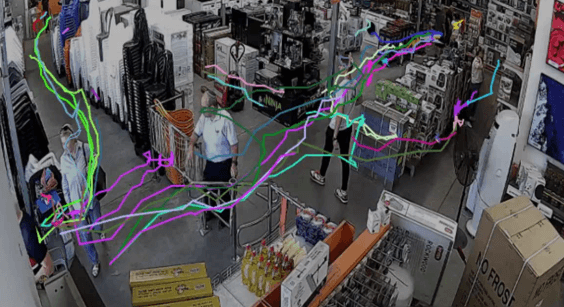
How do retailers quantify the impact of technology on shopper behavior across touchpoints? They employ engagement metrics to gauge interest and retention, conversion optimization to refine paths from awareness to purchase, and lifetime value analysis to forecast long-term profitability. This data-driven approach informs strategic decisions, centering the customer journey while enabling measurable, freedom-friendly improvements across channels.
Frequently Asked Questions
How Do Privacy Laws Affect Personalized Retail Experiences?
Privacy compliance shapes personalized experiences by mandating consent, governance, and transparency; data minimization limits breadth of profiling while preserving relevance. Brands pursuing freedom emphasize ethical collection, secure storage, and measurable ROI through trusted, customer-centric, data-driven strategies.
What Are the Costs of Implementing Omnichannel Tech?
The costs of omnichannel investments vary, balancing hardware, software, integration, and ongoing security; privacy laws add compliance expenses. Strategically, retailers quantify ROI, prioritize customer-centric experiences, and maintain freedom to innovate while managing total cost of ownership.
How Can Small Retailers Compete With Big-Brand Tech Budgets?
Small retailers compete by outsourcing niche strategies, prioritizing budget friendly capex planning, and embracing data-driven, customer-centric tactics. It paints a future where lean execution, agile experiments, and scalable tech empower freedom-seeking shoppers over big-brand budgets.
What Metrics Indicate True Customer Satisfaction Beyond Conversions?
Customer satisfaction is indicated by long-term loyalty, repeat visits, and net advocacy, not conversions alone; measured through data quality, bias mitigation, privacy compliance, and customer consent, guiding strategic, data-driven decisions that honor consumer freedom and trust.
How Do Technology Choices Affect Returns and Reverse Logistics?
Technology choices shape returns management and reverse logistics by streamlining processing, reducing cycle times, and lowering costs, while preserving customer-centric service; data-driven strategies empower freedom-seeking organizations to optimize workflows, balance sustainability, and enhance post-purchase experiences.
Conclusion
Technology threads the retail journey with precision, like a well-turnished map guiding every step. Data-driven signals illuminate hidden paths to discovery, while predictive insights forecast needs before they arise. Omnichannel experiences weave seamlessly, offering trusted, consent-driven personalization that respects the customer’s orbit. The result is a customer-centric ecosystem where engagement deepens, conversions sharpen, and lifetime value climbs, turning each interaction into a reliable waypoint on a strategic road to sustainable growth.